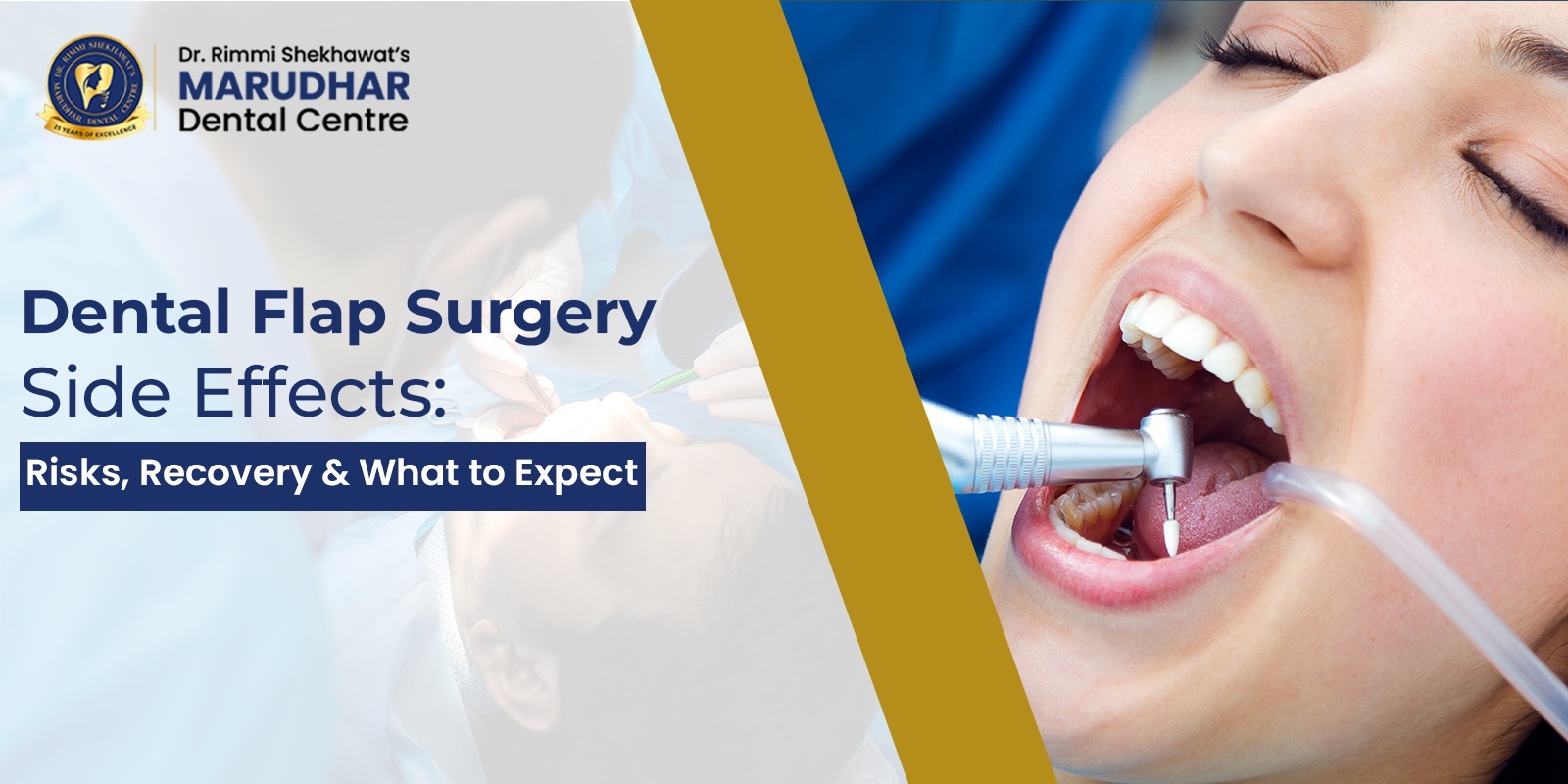
Dental flap surgery is a periodontal treatment where the dentist or periodontist will lift the gums of the teeth exposing them to roots and bone underneath. This enables deep cleaning, tartar and bacteria removal and gum disease treatment, which is impossible using conventional cleaning procedures. Following the cleaning and treatment the gums are repositioned and sewn back to encourage healthy healing.
Why Dentists Recommend This Procedure
Dentists normally prescribe dental flap surgery in cases of gum disease (periodontitis), which has already reached the advanced stages. Plaque and tartar accumulate in these situations under the gum line creating a deep pocket which cannot be removed by simple scaling and root planing. This procedure assists to minimize such pockets, avoidance of additional infection and safeguarding of the supporting structures of the teeth. It is also applied to maintain natural teeth and prevent loss of teeth in extreme cases.
Who Needs Dental Flap Surgery?
Dental flap surgery is normally suggested to those with moderate and severe gum disease. This procedure may be necessary among patients with deep periodontal pockets, chronic gum inflammation, bleeding gums or loss of bone around the teeth. It is also appropriate in cases where one has failed to respond to non-surgical interventions such as deep cleaning.
Individuals who have problematic bad breath, loose teeth or receding gums may also become applicants. The dentist will however examine the general oral health and medical history as well as the severity of the condition and only recommend surgery. Oral hygiene should be taken care of and dental advice adhered to prior to and after the procedure.
Common Dental Flap Surgery Side Effects
As in the case of any type of surgery, Dental Flap Surgery has its side effects. The majority of them are transitional and are a usual healing process.
Pain and Discomfort
The post-surgical pain is mild to moderate. This is because when the gums are repositioned they heal and adjust. Painkillers are normally prescribed by dentists to help in addressing the discomfort.
Swelling in the Gums
Normal swelling is as a result of a body reaction to surgery. It normally comes about in the first 24-48 hours and in a few days it fades. Swelling can be minimized by using cold compresses.
Bleeding from the Surgical Area
A certain amount of bleeding or oozing is normal following the procedure. It normally subsides in a day or two. Patients should not spit or rinse vigorously which may cause disturbance to the site of healing.
Tooth Sensitivity
Once the gums have been repositioned, some of the tooth roots are likely to be exposed in the meantime. It may cause sensitivity particularly when one takes hot or cold food and beverages.
Temporary Difficulty in Eating or Speaking
Patients can experience soreness as well as swelling and that is why they might not be able to eat or talk easily for a few days. This should be seen to consume soft foods and minimal jaw movement.
Less Common but Possible Side Effects
Although not common, there are other side effects which could occur in some patients and need to be addressed.
Gum Recession
The gums can in other instances grow back at a slightly lower position compared to the previous one, and thus the teeth seem longer. This may make one sensitive but it can be dealt with through proper care.
Infection
Occurrence of infections is uncommon, however, when oral hygiene is not taken care of and the post-surgery guidelines are breached. Symptoms are chronic pains, inflammation, or discharge of pus.
Delayed Healing
Some of these factors include smoking, diabetes or lack of oral hygiene can delay the healing process. This will extend the period of discomfort and risk escalation of complications.
Loose Teeth Feeling
Certain patients might experience that their teeth have been a bit loose after surgery. This does not last long and is corrected as the gums recover and stabilize.
How Long Do Dental Flap Surgery Side Effects Last?
The majority of side effects like pain, swelling, and mild bleeding tend to disappear in several days to a week. Tooth sensitivity can last up to a few weeks and this depends on how someone heals and the way they care about their teeth.
Curing the gums may require a few weeks and the curing of the tissues underneath may require a few months. It is important to follow the instructions of the dentist to the letter which may help to accelerate the healing process and reduce complications to a minimum.
Tips to Reduce Dental Flap Surgery Side Effects
Post-operative care is a key factor in achieving a painless recovery and decreasing side effects.
Follow Dentist’s Post-Surgery Instructions
According to the instructions of your dentist, follow them always. These can be medication, diet and oral hygiene instructions.
Maintain Proper Oral Hygiene
It is necessary to clean up your mouth in order to avoid infection. Clean your teeth with a soft-bristled brush and do not brush your teeth directly over the operation site before consulting your dentist. Mouth rinses with antibacterial effects can also be prescribed.
Avoid Hard and Spicy Foods
Eat only soft foods such as soups, yogurt, mashed potatoes, and smoothies. The gums are sensitive to spicy, crunchy, or hard foods and slow down healing.
Use Prescribed Medications
Take all medications that are prescribed such as antibiotics and pain relievers as prescribed. This will help to manage pain and avoid infection.
When Should You Contact a Dentist?
Most side effects are normal but some of the symptoms need emergency dental care. Give your dentist a call in case of severe or prolonged pain, excessive bleeding, swelling that does not improve after several days, as well as signs of infection, e.g. fever, discharge of pus, etc.
The inability to open the mouth, distorted taste or long-term sensitivity should also be considered. Early detection is able to avoid complications and guarantee proper recovery, and you can consult a dentist in jaipur if such symptoms occur.
Benefits of Dental Flap Surgery
Dental flap surgery has long lasting benefits even though it has side effects that are temporary. It can successfully eliminate entrenched bacteria and tartar and eliminates the chance of complications with gum disease. Procedure assists in firming of the gums surrounding the teeth hence reducing the depth of the pockets and enhancing oral health.
It also helps prevent loss of bones, maintain teeth stability and also improve dental hygiene. It can save the natural teeth of the patients in most cases, and can prevent more complicated operations in the future.
Conclusion
Dental flap is an excellent procedure to address gum disease. Although it might come with certain temporary side effects such as pain, swelling, and sensitivity, they can be managed as they are components of the natural healing process. Awareness of what to anticipate and appropriate aftercare should make the recovery process easier and quicker.
This procedure is worthwhile because in the long-term, the person gains the advantages of good oral health, decreased risk of infection, and the ability to preserve their teeth. In case you have gum disease related symptoms, a dentist can help you decide whether or not to pursue Dental Flap Surgery by consulting him as early as possible.